P/N RD0015H1600JBC: Cockpit Light Dimmer Component
P/N RD0015H1600JBC: Cockpit Light Dimmer Component
Blog Article
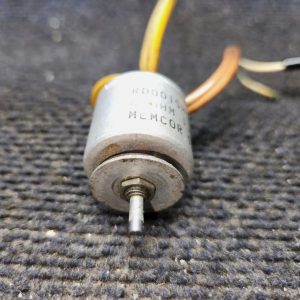
The Cessna 172F Rheostat (No Knob)
The Cessna 172F Rheostat can support cockpit illumination adjustment, while Cessna 172F Lighting Rheostat and Cessna 172F Panel Light Rheostat descriptions should not imply compatibility with every Cessna panel configuration.
Whether described as a Cessna 172F Cockpit Dimmer, Cessna 172F Instrument Light Control, Cessna Instrument Panel Rheostat, or Cessna Cockpit Lighting Control, exact circuit verification remains essential.
An Aircraft Lighting Rheostat may also serve as an Aircraft Panel Light Dimmer when its resistance, power rating, terminals, and control range match the intended installation.
Cessna 172F Electrical Parts, a Cessna 172F Dimmer Switch, Cessna Panel Lighting Control components, and a Cessna Aircraft Rheostat may be sourced together during a complete cockpit electrical project.
Understanding P/N RD0015H1600JBC
The P/N RD0015H1600JBC designation should be confirmed through markings on the rheostat body, tags, donor-aircraft information, packaging, photographs, and available maintenance records.
Any manufacturer logo, electrical rating, production code, serial marking, repair label, or donor-aircraft information should remain associated with the component.
Selecting a Replacement Control Knob
A visually similar knob may not fit securely or may interfere with surrounding panel labels and controls.
The knob should allow smooth adjustment through the required range without slipping.
Purpose of the Panel Light Rheostat
Rotating the control changes the electrical resistance or control setting, allowing the pilot to select an appropriate lighting level.
Smooth dimming can help reduce glare and support instrument readability during night or low-light operations when the complete system operates correctly.
Verifying Rheostat Fitment Before Purchase
Aircraft-specific verification helps prevent overheating, poor dimming performance, mounting problems, and electrical damage.
Terminals should not be rearranged or bridged casually to make an unsuitable rheostat function.
Inspecting the Rheostat Housing and Shaft
The housing should remain secure and free from separation, impact damage, burned areas, or signs of overheating.
Mounting threads, nuts, washers, anti-rotation features, and panel-contact surfaces should be examined for wear or damage.
Inspecting Rheostat Terminals and Wiring
Heat discoloration can indicate excessive resistance, overloading, loose connections, or another unresolved circuit problem.
Wiring should be routed away from sharp edges, moving controls, heat sources, and locations where vibration can cause chafing.
Evaluating Dimming Control Operation
Testing may include resistance measurement, continuity checks, smoothness evaluation, terminal mapping, and controlled functional testing appropriate to the identified component.
Bench testing should use controlled power, suitable current limitation, correct polarity where relevant, and a circuit appropriate to the component’s verified ratings.
Avoiding Unnecessary Rheostat Replacement
Structured troubleshooting helps prevent unnecessary parts replacement.
Technicians should compare circuit behavior at different control positions while monitoring wiring, terminals, lamps, grounds, and protection devices.
Preserving Cockpit Appearance and Function
Restorers may seek the correct housing, shaft, mounting style, knob design, panel location, and control labeling.
Professional restoration supports both presentation and practical cockpit operation.
Managing Electrical Parts Inventory
The entire lighting circuit should be examined before all required components are ordered.
Heat, corrosion, moisture, vibration, and previous repairs can affect components differently.
Rheostat Replacement Versus Refurbishment
A documented repair approach supports a more consistent result.
Professional refurbishment can preserve restoration value while maintaining clear component status.
Cessna Cockpit Electrical Parts for Sale
Accurate listings strengthen buyer confidence and reduce disputes.
Transparent commercial information supports responsible Cessna Aircraft Rheostat transactions.
Panel Light Dimmer Condition Checklist
The seller should provide photographs showing the housing, shaft, mounting threads, terminals, markings, attached wiring, damage, and repaired areas.
- Request detailed photographs of every marking, terminal, mounting thread, shaft surface, housing area, attached wire, repair, and included component.
- Arrange qualified evaluation whenever specifications, electrical condition, repair quality, or installation suitability remain uncertain.
- Report shipping damage, missing hardware, identification differences, undisclosed repairs, or electrical-condition discrepancies promptly.
Preventing Electrical Component Damage
Professional packaging helps preserve the physical condition of the Aircraft Panel Light Dimmer.
The component should not be stored by hanging it from attached wires or unsupported terminals.
Installing the Cessna 172F Rheostat
Every wire and terminal should be identified and documented before removal.
Correct installation supports dependable Cessna Panel Lighting Control.
After installation, technicians should verify control movement, click here lighting response, dimming range, terminal security, circuit protection, wiring temperature, and absence of flickering or dead spots.
Routine Panel Dimmer Inspection
The component should receive attention after electrical faults, smoke, overheating, moisture exposure, panel work, wiring repair, or intermittent lighting behavior.
The panel area should remain free from spilled liquids, conductive debris, harsh cleaners, loose hardware, and unsupported wiring.
Final Thoughts on the Cessna Panel Light Rheostat
When professionally inspected, tested, fitted, wired, documented, and maintained, the Cessna 172F Rheostat (No Knob)
Buyers should request current photographs, accurate measurements, transparent condition details, protective shipping, secure transaction terms, and qualified electrical review.
Whether buyers need a Cessna 172F Instrument Light Control, Cessna Instrument Panel Rheostat, Cessna Cockpit Lighting Control, or Aircraft Lighting Rheostat, circuit-specific compatibility should be verified.
With transparent test status, protected shipping, correct fitment, a suitable knob, and qualified maintenance review, the component can support a professional Cessna 172F project.
Report this page